07 March 2019

Interpreting Tselkov / Истолкование Целкова

Nina Loseff with Tselkov's 'Goldfish '57' ca. 1958


Interpreting Tselkov


Hemp-rope hairiness, candle wax.
A face with a backside over.
What remains, do your best to extract
from the flame, the murk, and the puther.

Now there’s only a menacing trace,
in the black flame-memento of colour,
of Tselkov in his ‘scutcheon’ phase,
Latin larvae, or ‘masks’ as we call them.

Instead of landscapes and flowers,
these masks, with their rips and punctures,
like placards for pointless fuss,
used to hang there in Soviet apartments.

And though they were eyeless, they’d spy—
anti-icons they might be accounted—
on rebarbative days flying by,
shots of rotgut, and laws being flouted.

But paintbrush and pencil still
make a movement from cycle to cycle.
Tselkov’s pictures gave rise to a soul,
with a butterfly’s yellow its signal.

From these do-you-in larval sheaths,
(God forbid you should dream them at nighttime)
if you look, you can see it steal
through an eye socket with no eye in.

So here it alights on a nail,
and there it flicks by like lightning.
On candle, hemp rope, overall.
Even places you can’t descry it.

From Чудесный десант (The Miraculous Raid), 1985

The eminent artist Oleg Tselkov (b. 1934) studied theatre arts in Leningrad in the 1950s, and moved in the same circles as Lev Loseff and his literary friends at that time; they were involved in several well-documented escapades. Tselkov moved to Moscow in 1958, and then to Paris in 1977.

(Translator’s note: I would like to thank Mikhail Efimov for advice concerning this translation.)

(Translation © 2019 G.S. Smith)

Translations of this poem by Henry Pickford and Walter Arndt are HERE

Истолкование Целкова 


Ворс веревки и воск свечи. 
Над лицом воздвижение зада. 
Остальное — поди различи 
среди пламени, мрака и чада. 

Лишь зловеще еще отличим
в черной памяти-пламени красок
у Целкова период личин,
«лярв» латинских, по-нашему «масок».

Замещая ландшафт и цветы,
эти маски в прорехах и дырах 
как щиты суеты и тщеты 
повисали в советских квартирах. 

Там безглазо глядели они, 
словно некие антииконы,
как летели постылые дни, 
пился спирт, попирались законы.

Но у кисти и карандаша
есть движение к циклу от цикла. 
В виде бабочки желтой душа
на холстах у Целкова возникла.

Из личинок таких, что — хана,
из таких, что не дай Бог приснится, 
посмотри, пролезает она
сквозь безглазого глаза глазницу.

Здесь присела она на гвозде, 
здесь трассирует молниевидно. 
На свече, на веревке, везде.
Даже там, где ее и не видно. 


28 November 2018

Lo, he returns, prodigal SOB, / Се возвращается блудливый сукин сын


Not infrequently primitive peoples will have a little ship mounted on the end of a pole that is fixed to the roof... This implies a longing for the transcendental, for a way out beyond the boundaries of existence, for journeying through space to other worlds.

Juan Eduardo Cirlot

Lo, he returns, prodigal SOB,
back to the land of native alder-speak,
it’s where the tribes from Ilmen further east
still share the pelt of pelmen, undead beast.

*
So he returns, but it’s on aching feet,
the stink of alien speech comes from his gob;
as he returns, some things rise up and greet:
gloom, woods, squelch-bog.

*
He’s welcomed for his foreign style of dress,
granted the seat of honour in the hut.
He goes back to his favourite thing, which is
counting the angels on a needle’s point.

*
He informs everyone that Earth is round,
that nothing can break through this tough old ball,
unless a Comet take a curve that’s wrong,
which isn’t very likely, on the whole.

*
One day, he reads his fill (no lamp required)
pulling books off the shelves any old how,
goes out to stretch his legs a little while,
and sees another needle, up above.

*
Against the LP of the northern skies
this needle saws a melody that shows 
some playfulness — romance, waltz, or the like.
Bright light has set the needle all aglow,
a golden frigate sticks fast to its side,
as if it had tied up, not long ago.

*
On it, a crew of angels he makes out
and counts (there’s 25 of them all told),
and on the deck of this small golden boat
there’s fluttering wings, and lights that dart about,
acting like children or like pirates do.

*
His lips move as he formulates a thought:
‘So this is how they look, we may decide,
those flying objects, unidentified —
this is the place where Earth takes them on board’.

From Тайный советник (Privy Councillor), 1987

(Translation ©2018 G.S. Smith)

Concerning the epigraph, Barry Scherr writes: ‘… from Juan Eduardo Cirlot, A Dictionary of Symbols (translated from the Spanish into English, and this portion translated from the English into Russian by LL) toward the end of the entry for “Ship”: “Another meaning, sometimes quite independent of the foregoing, derives not so much from the idea of the ship as such but rather from the notion of sailing; this is the symbolism of the Ship-of-Death.  Hence, many primitive people place ships on the end of a pole or on the roof of a house.  On occasion, it is the roof itself (of the temple or house) which is made to resemble a ship.  Always the implication is the desire to transcend existence—to travel through space to other worlds”.’

The ‘native alder tree’ comes from an epigram by Turgenev about the pretentious and slovenly prose translation of Shakespeare into Russian made by the medical doctor and journalist Nikolai Khristoforovich Ketsher (1809-86): ‘Behold another of the world’s luminaries,/Ketsher, friend of wines from Champagne,/Who for us dragged Shakespeare over/into the language of our native aspens’ (Вот еще светило мира,/Кетчер, друг шампанских вин,/Перепер он нам Шекспира/На язык родных осин.) This gave rise to the locution ‘the language of our native aspens’, meaning a crude or homely style.

‘Ilmen’ refers to the lake near Novgorod in north-west Russia, and has nothing to do with J.R.R.Tolkien.

‘Gloom, woods, squelch-bog’: a reference to the opening section of Pushkin’s Bronze Horseman, about the founding of Petersburg by Peter the Great: ‘A hundred years passed by,/And the youthful city,/ornament and wonder of the northern lands/From the murk of forests, the squelch of bogs/luxuriantly and proudly rose up’ (Прошло сто лет, и юный град,/Полнощных стран краса и диво,/Из тьмы лесов, из топи блат/Вознесся пышно, горделиво.)

Pushkin’s poem is referred to again in stanza 5, where the poet speaks of being able to read and write ‘without a lamp’, during the ‘white nights’ in St Petersburg.

The needle with the frigate refers, of course, to the spire of the Admiralty in St. Petersburg; for the literary context, see Роман Тименчик, ‘Игра со шпицем’, in Лифшиц/Лосев/Loseff. Сборник памяти Льва Владимировича Лосева, под ред. Михаила Гронаса и Барри Шерра (Moscow, NLO, 2017), 366-82.


Нередко у примитивных народов кораблик помещается на верхушке шеста, водружаемого на крыше...Так имплицируется желание трансцендентального, выхода за пределы бытия, путешествия через пространство к иным мирам.

Х.-Э. Сирло

Се возвращается блудливый сукин сын 
туда, туда, в страну родных осин,
где племена к востоку от Ильменя
все делят шкуру неубитого пельменя. 

*
Он возвращается, стопы его болят,
вся речь его чужой пропахла речью,
он возвращается, встают ему навстречу
тьма — лес — топь блат.

*
Его встречают по заморску платью,
его сажают в красные углы.
Он возвращается к любимому занятью — 
подсчетам ангелов на острие иглы. 

*
Он всем поведал, что Земля кругла 
и некому пробить сей крепкий круг, 
вот разве что Комета, сделав крюк, 
но вероятность в общем-то мала. 

*
Однажды, начитавшись без лампад, 
надергав книжек с полок невпопад, 
он вышел прогуляться до угла
и вдруг увидел: вон еще игла. 

Там, из пластинки северных небес 
игла пила мелодию не без
игривости — романса, что ли? вальса? 
И к той иголке, светом залитой, 
как прикипел фрегатик золотой, 
похоже только что пришвартовался. 

*
Команду ангелов сумел он увидать 
и сосчитать (их было 25),
на палубе златого корабля 
мелькали крылья, бегали огни, 
они вели себя как дети, как пираты. 

*
И думал он, губами шевеля: 
«Выходит, вот как выглядят они, 
летательные эти аппараты,
так вот где принимает их Земля». 


31 October 2018

31 October 1958 / 31 oктября 1958 года

52 Vorovsky St. (Povarskaya St.), Moscow, 1950s


31 October 1958


                             My dream evoked sharp anguish.
                                                                     Martynov
               It’s only later on that you feel sick...
                                                                     Slutsky

The operation lasted no more than a minute.
Now Leonid Nikolaevich and Boris Abramovich
coward their way down Vorovsky Street,
feeling neither pain,
nor shame,
nor regret at the sight of that flock
of muses, sobbing as they disappear behind the Foreign Ministry.
Ahead there will be many summers,
winters, springtimes, trips abroad,
translations from the Eastern European,
the selected, the death, the commission for the literary legacy.

I imagine the space between hell and heaven
as an enormous railway station.
Where they spend the night (not sleeping though) on hard benches,
crowd round the buffet (the girl’s gone out for a minute),
stare at the epileptic having convulsions under the sign saying
‘Purchased Tickets are Non-Returnable
and Non-Exchangeable’,
and stand guard on their place in a queue stretching
immobile between grimy columns
like a tail between legs.

If anyone knows any genuine prayers,
say them for these two.

From Тайный советник (Privy Councillor), 1987

(Translation © 2018 G.S. Smith)

31 October 1958 is the date of the notorious meeting of the Moscow branch of the Union of Soviet Writers, called to ‘consider’ the case of Boris Pasternak after he published Dr Zhivago abroad and was awarded the Nobel Prize in literature. Thе meeting was held at the Union building on Vorovsky St, at the end of which towers the Stalin ‘wedding cake’ of the Ministry of Foreign Affairs. The poets Leonid Martynov (1905-80) and Boris Slutsky (1919-86) voted to expel Pasternak. Slutsky made a brief speech in favour of the motion; most sources agree that he never forgave himself for doing so. 
The first epigraph is from the opening of Martynov’s poem ‘The Chronicler of Tobolsk’ (‘Tobol’skii letopisets’, 1936), about a pre-revolutionary convict who has had his nostrils ripped by the state’s executioner, a standard form of punishment: ‘From morning on Soimonov was full of anguish, in a dream he had seen Peter [the Great]./The Tsar gave him a sniff of tobacco, but chortled as he said/‘With your ripped nostrils you’re going to spill it!’/That dream evoked sharp anguish.’ (Соймонов тосковал с утра,—/во сне увидел он Петра./Царь дал понюхать табаку,/но усмехнулся, говоря:/— Просыплешь, рваная ноздря! —/Сон вызвал острую тоску.) In editions of Loseff’s poetry теку, the last word of the epigraph, is evidently a misprint. 
The second epigraph derives from Slutsky’s poem about his service as a prosecutor when he was a political officer (politruk) during the Great Patriotic War, which inevitably evokes ‘the Pasternak affair’: ‘I used to be a judge, I know for sure/that judging people isn’t awkward in the least/—it’s only later on that you feel sick/if you make the mistake of  remembering…’  (‘Я судил людей и знаю точно,/что судить людей совсем несложно - /только погодя бывает тошно, /если вспомнишь как-нибудь оплошно’.)

31 oктября 1958 года 


Сон вызвал острую тeку. 
Мартынов 
Только вот потом бывает тошно... 
Слуцкий 

Операция продолжалась не более минуты. 
Леонид Николаевич и Борис Абрамович 
трусят по улице Воровского,
не испытывая ни боли, 
ни стыда,
ни сожаления при виде стайки
муз, рыдая удаляющихся за здание МИДа. 

Впереди еще будет много лет,
зим, весен, загранпоездок,
переводы с восточноевропейского,
избранное, смерть, комиссия по лит. наследству. 

Место между адом и раем
мне представляется огромным вокзалом.
Там они ночуют (но не спят) на твердых скамейках, 
толкутся у буфета (буфетчица ушла на минутку), 
глазеют на припадочного, бьющегося под табличкой 
«Купленные билеты назад не принимаются
и не обмениваются»,
караулят свою очередь,
неподвижную между грязных колонн,
как поджатый хвост. 

Если кто знает настоящие молитвы,
помолитесь за них. 


01 October 2018

From Vergil / Из Вергилия

Remains of Uusikirkko Church near Terijoki (a.k.a. Zelenogorsk)

From Vergil


… that my verse is pretty poor,
but if I could command the Aeolian mode,
I too could say: ‘And so, away he went,
just like a lawyer who has won his case,
and who then claps his client on the shoulder,
and leaves for his blue-paradise Campagna’
(or else Zelenogorsk, the one that’s green). 

The music of departure sounds so clear
in backwoods quiet when autumn is approaching!
See how this splash of cognac now refracts
a sunset ray falling slantwise across
the tumbler’s base, so as to gild this page
on which the final line is broken off
after a hyphen…

[From Новые сведения о Карле и Кларе, 2006]

(Translation © G.S. Smith 2018)

Из Вергилия


…что стих мой бедноват,
а вот владей я эолийским ладом,
и я бы мог сказать: «Он уходил,
как выигравший дело адвокат, 
когда, похлопав по плечу клиента,
он отбывает в синий рай Кампаньи»
(или зеленый рай Зеленогорска).

Как внятно в захолустной тишине
звучит под осень музыка ухода!
Как преломляет малость коньяка
на дне стакана падающий косо
закатный луч, который золотит
страницу, где последняя строка
оборвана на знаке переноса…

05 September 2018

Rain / Дождь


Rain


Soaking wet stretch the embankments,
raindrops, patternless
(monocles at casual dangle)
patter on my chest.

Making waves with circling motion,
mooring posts stand fast—
sort of top hats slick with moisture,
worn a little slant.

And the great lagoon’s a stage set,
bustling all the while,
far-off foam whips up, to make it
neckwear all in white.

You could spit over the eye-span
sailors need to cross.
Watching you is a small island,
fat-cheeked and snub-nosed.

With a gaze defunct and hardened
(damp, dead, and direct)
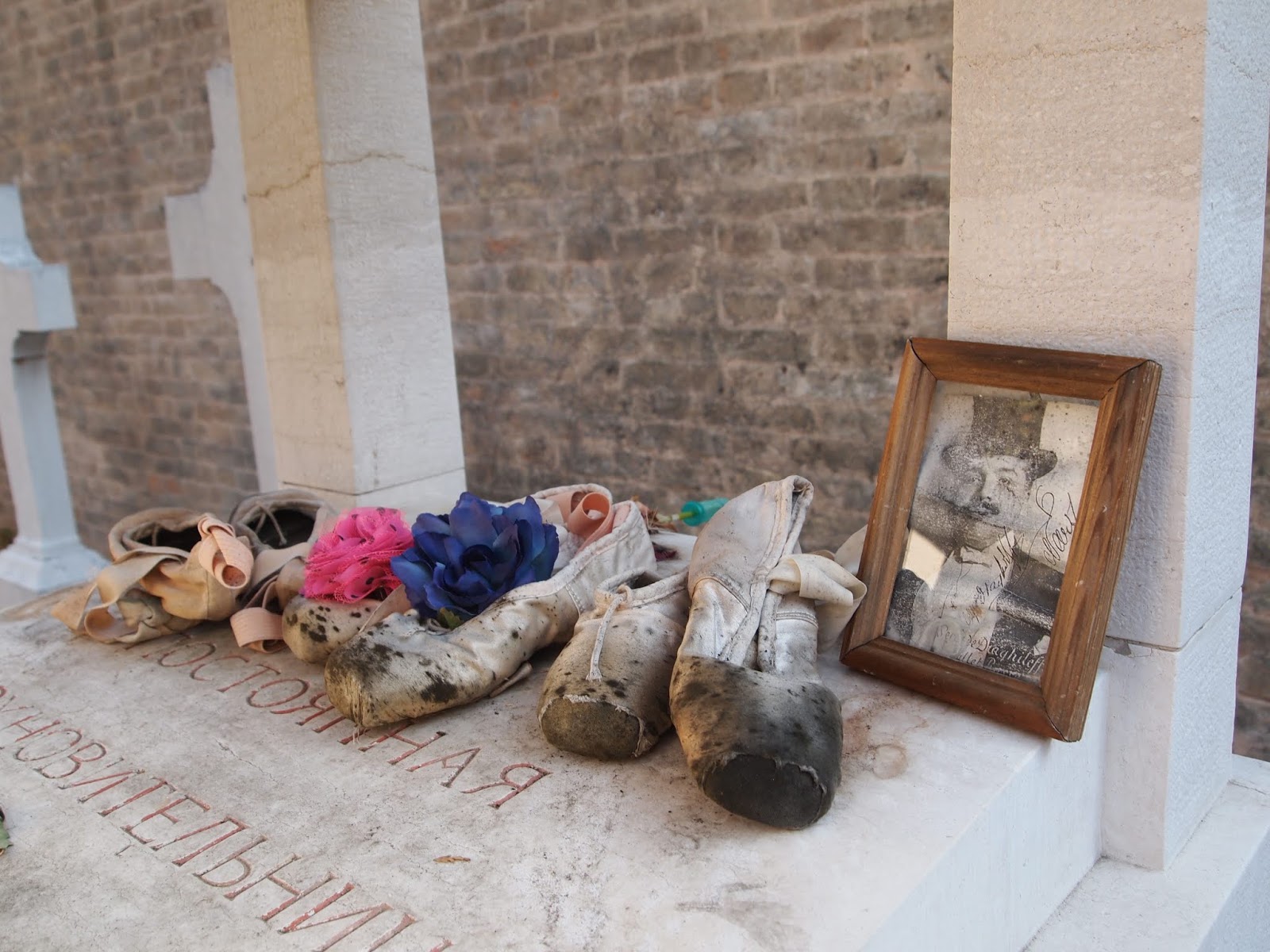
at the sky stares the wet marble
under which he rests,

ex-up-yours to the tsars’ playhouse,
that poor sybarite—
like unto the lion of Venice,
Diaghilev, in his pit.

Deep blue sea, so melancholy,
and the tombs so black!
In the minor ever droning,
with their white smokestacks,

two each, go the local steamers, 
ploughing up a wave.
Further, though, than the black pine trees
run the lines of rain.

From Тайный советник (Privy Councillor), 1987

(Translation ©2018 G.S. Smith)

Дождь 


Набережные намокли, 
капли как-нибудь,
как небрежные монокли 
падают на грудь. 

То-то волны кольцевидны, 
сваи в них весь день, 
точно мокрые цилиндры, 
малость набекрень.

А большой лагуны сцена 
вечно в мельтешне,
там захлестывает пена 
белое кашне. 

Расстояния матросам
на один плевок. 
Толстощеким и курносым 
смотрит островок. 

Взглядом мертвым и упрямым 
(мокр и мертв, и прям)
смотрит в небо мокрый мрамор, 
под которым там 

бывший кукиш сцене царской, 
бедный сибарит,
аки лев венецианский 
Дягилев зарыт. 

То-то горе — сине море, 
черные гробы!
Но гудят, гудят в миноре 
в белых две трубы 

пароходы местных линий, 
воды бороздя.
И длиннее черных пиний
линии дождя. 

22 August 2018

More a No-No / Мура, но...


More a No-No


It’s work of mouth produces glass.
But there’s a limit not to pass.
And if you go beyond it—try—you’ll end up with damn all, alas.

That’s why, using his warmed-up lips
that lengthy tube of his he grips,
puffs out a superheated sphere, which upward swells, then downward dips.

It’s more a no-no, it’s just bling.
The dreadful heat’s also a thing.
And dangerous work it is besides, there’s fewer craftsmen practicing.

A sigh converted into stuff.
The thing gets finished, well enough.
And now it stands there on the shelf—pretty, but comic too, sort of. 

From Тайный советник (Privy Councillor), 1987

(Translation © 2018 G.S. Smith)

Murano is a cluster of seven linked islands in the Venetian lagoon, and for centuries has been the site of the renowned glass industry.


Мура, но...


Стекло — произведенье рта.
Но есть запретная черта.
Переступи ее, попробуй: глядь, и не вышло ни черта.

Поэтому в горячий рот
он трубку длинную берет
и раскаленный шар вздувает, то кверху, то наоборот.

Мура, конечно, мишура.
К тому же страшная жара.
К тому же, вредная работа, и редки стали мастера.

Овеществленный вздох оно.
Но вот оно отделено.
И вот оно стоит на полке — красиво, но слегка смешно.


22 June 2018

On the Death of B.F. Semenov / На смерть Б.Ф.Семёнова

B.F. Semyonov (6.22.1910 - 1992), Lev Loseff et al. ca. 1962


On the Death of B.F. Semenov


This jester, this man self-taught,
they’ve parcelled him up in canvas,
with his features, now sharp and taut,
poking out from the floral tributes.

Where’ve you gone? Respond, I insist,
you Petrograd-Israel denizen,
old angel of mine, atheist,
friend, reader, and booster,

who taught me the way 
to parade round the pubs, splurging,
and higher than Mozart assay
the swish, the shuffle, the rustle

of sole against granite’s grain,
of bubbles in thick-glass beerfoam,
of mac and cap against rain,
the Neva against her stepstones,

the heavens that ’45 set 
against vivid victory salvoes —
as you would never have said,
and without you I wouldn’t either.

May the funeral score
rustle over that canvas in shekels,
for what else is there more
in Palestine left to rustle?


From Новые сведения о Карле и Кларе (New Information about Carl and Clara, 1996).

(Translation © 2018 G.S. Smith)

The illustrator and designer Boris Fedorovich Semenov (St Petersburg 1910–Jerusalem 1992) was a revered mentor to Lev Loseff from his earliest years. He served as art director of the children’s magazines Chizh (Siskin) and Ezh (Hedgehog), and also of the journal Neva and the Lenizdat publishing house; he was a colleague and friend of Loseff’s parents from before World War II.

На смерть Б.Ф. Семёнова


Завернули в холсты,
и торчат из цветочной кучки 
заострившиеся черты 
остряка-самоучки. 

Где ты там, отзовись, 
петроградско-израильскии житель, 
старый ангел мой, атеист,
друг, читатель, хвалитель, 

обучивший меня
по пивным козырять, раскошелясь, 
выше звуков Моцáрта ценя,
шорох, шарканье, шелест 

по граниту подошв,
пузырей в толстокружечной пене, 
макинтошей и кепок о дождь, 
невских волн о ступени,

в сорок пятом небес
о цветные салютные залпы, 
как бы ты не сказал 
и как без тебя я не сказал бы.

Пусть кладбищенский счет
в шекелях шелестит по холстине, 
потому что чему же еще
шелестеть в Палестине?

15 June 2018

Haven / Пристань

Lev Loseff, 15 June 1937 – 06 May 2009 / Лев Лосев, 15.VI.1937 – 06.V.2009

Haven


‘It’s possible not to believe the soul may be immortal, 
and still to hear the angels sing, the envoys of the Almighty?’

I’m standing on the gangplank and the steamer’s soon departing,
there’s shallow water underneath and sounding reeds on shore,
an unfamiliar riverbank in silence stretched before.

'Now, "I lebieve"—that I can say, and "I beviele"—that too,
so how come there's this other thing I simply cannot do?'

My mouth won’t open though I’ve had two drinks that stirred my blood.
I’m sorry for the friends and luggage left behind on board.

On shore there’s mist, there’s grass and all,
there’s mist, a path, silence withal,
mist and a path that twists away.
Time to march off—along which way?—
I’ve heard the trumpet call.

From Тайный советник (Privy Councillor), 1987

(Translation © 2018 G.S. Smith)


Пристань


«Возможно ли не веровать в бессмертие души,
но все же слушать ангелов, посланников Господних?»

Ждет отправленья пароход, а я стою на сходнях
и подо мной мелка вода и шумны камыши,
и незнакомый бережок передо мной в тиши.

«Ведь я могу сказать «ревю», могу сказать «еврю»,
так почему же я одно никак не говорю?»

Две рюмочки волнуют кровь, но не открыться рту.
Ах, жаль друзей и багажа, что остаются на борту.

На берегу туман, трава,
туман и тишина, тропа,
туман и все-таки тропа свое не прекращает гнуть.
Пора куда-нибудь шагнуть —
уже трубит труба.